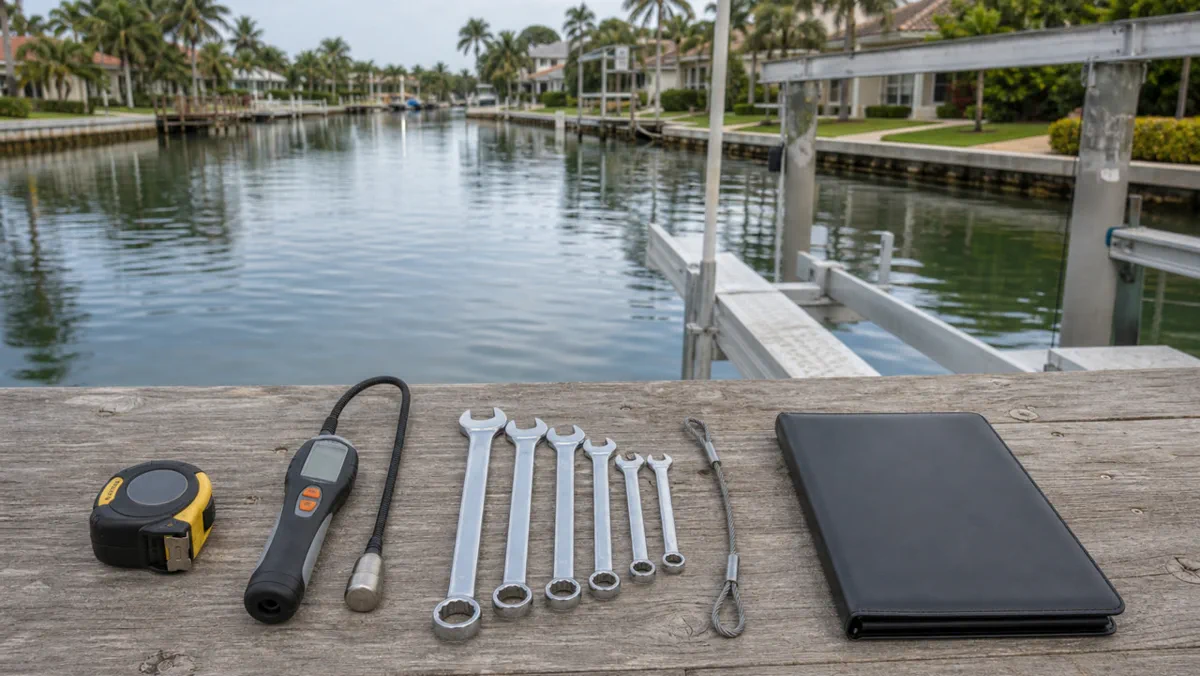
Waterfront wear adds up
Salt air, storm movement, seasonal idle time, boat weight, cable winding, and dock access can all contribute to lift symptoms that need repair attention.
Naples boat lift repair
Cable wear, slow motors, uneven cradles, shifted bunks, and storm-season concerns all point to the same finished goal: a boat lift that works reliably for normal waterfront use.
You do not need to diagnose the lift before reaching out. A simple description of what changed is enough to start the next repair step.
What repair can involve
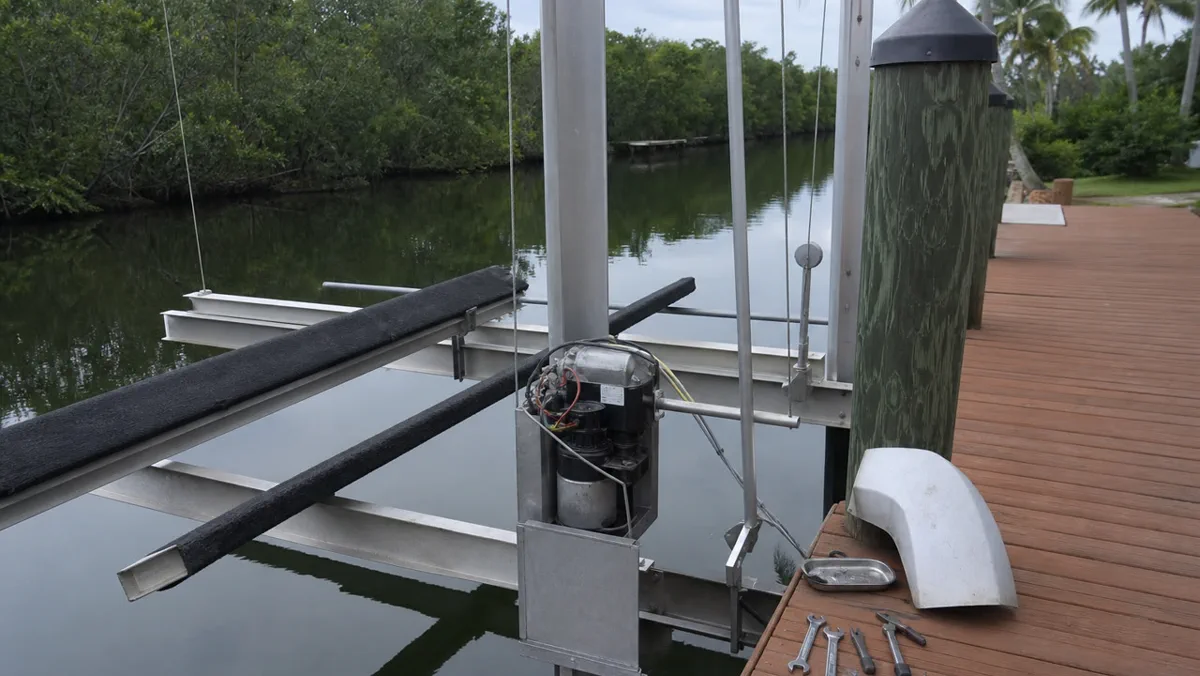
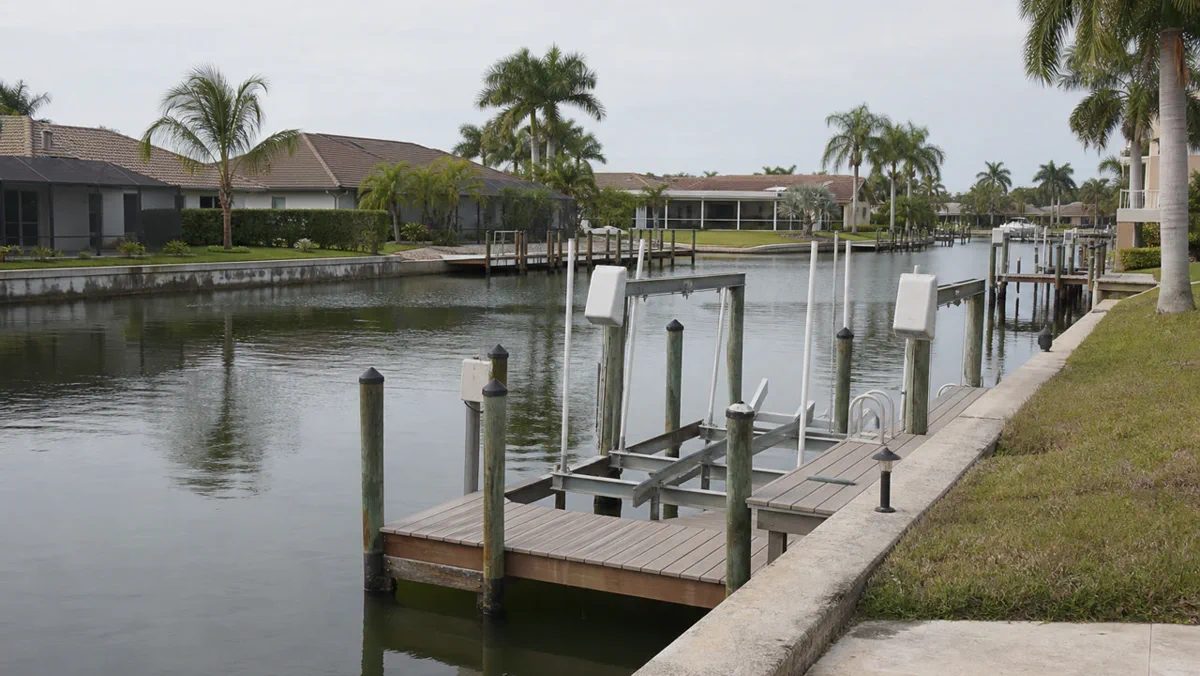
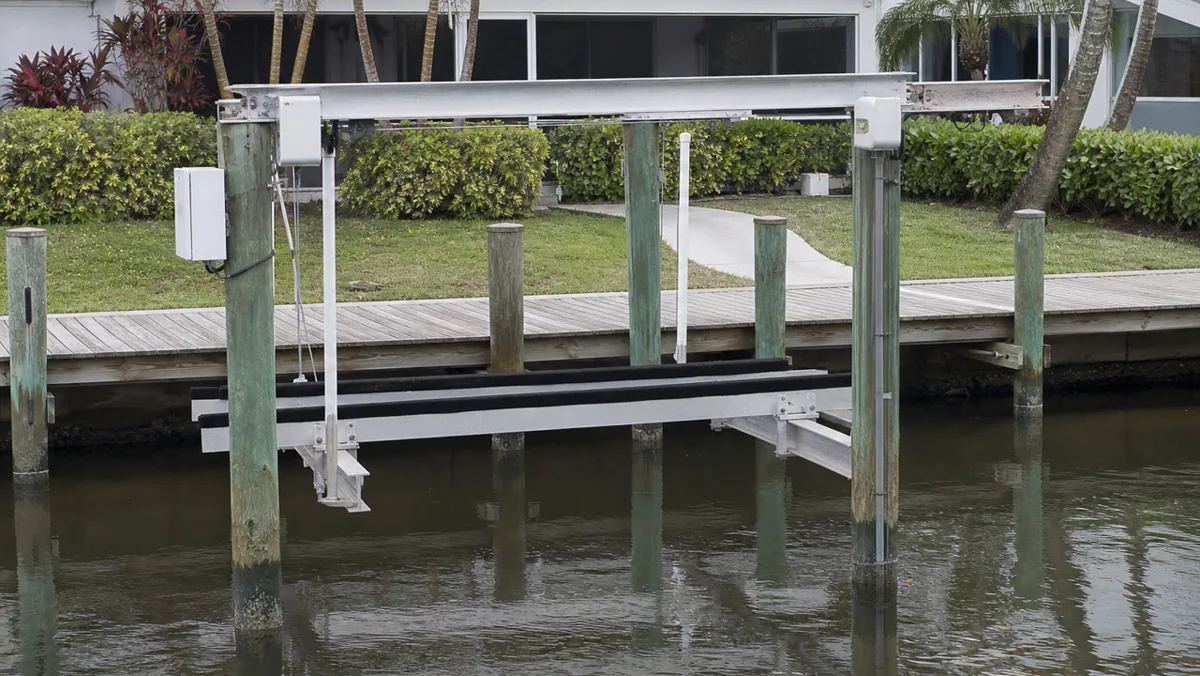
Boat lifts around Naples fail in recognizable ways: cable bird-caging at the drum, one corner of the cradle lagging under load, bunks shifting after storm movement, motors humming under strain, switch boxes corroding, and guide posts or dock hardware moving just enough to make loading feel unsafe.
A repair follow-up starts by narrowing the likely issue without asking you to solve it first. Some lifts need routine cable, pulley, bunk, cradle, motor, or switch attention; others may need electrical, structural, or dock-access review before the system is used again.
Why problems happen
Salt air, storm movement, seasonal idle time, boat weight, cable winding, and dock access can all contribute to lift symptoms that need repair attention.
A plain-language description of what changed usually makes the problem easier to sort.
Cables, cradles, bunks, switches, and salt-air hardware wear each create different warning signs.
A call or short form can start the repair step even if access information needs to be sorted out later.
When to call
When a lift hesitates, hums, drops unevenly, or leaves the boat crooked on the bunks, the first question is whether the symptoms point to cable wear, cradle alignment, motor load, hardware corrosion, or storm-related strain at the dock.
Naples waterfront properties see salt exposure, storm movement, seasonal vacancy, and gate or HOA access issues that can all change how lift work is approached. You can reach out when the lift sounds wrong, moves unevenly, stops responding, or no longer feels safe for regular use.
Common lift problems
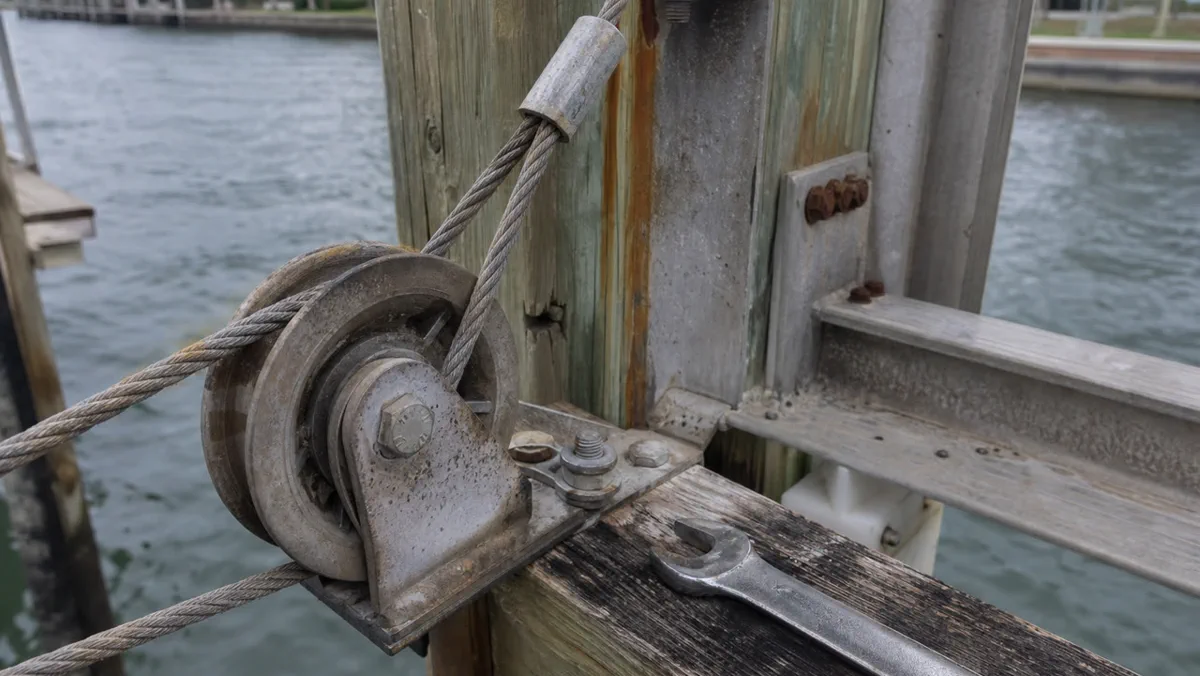
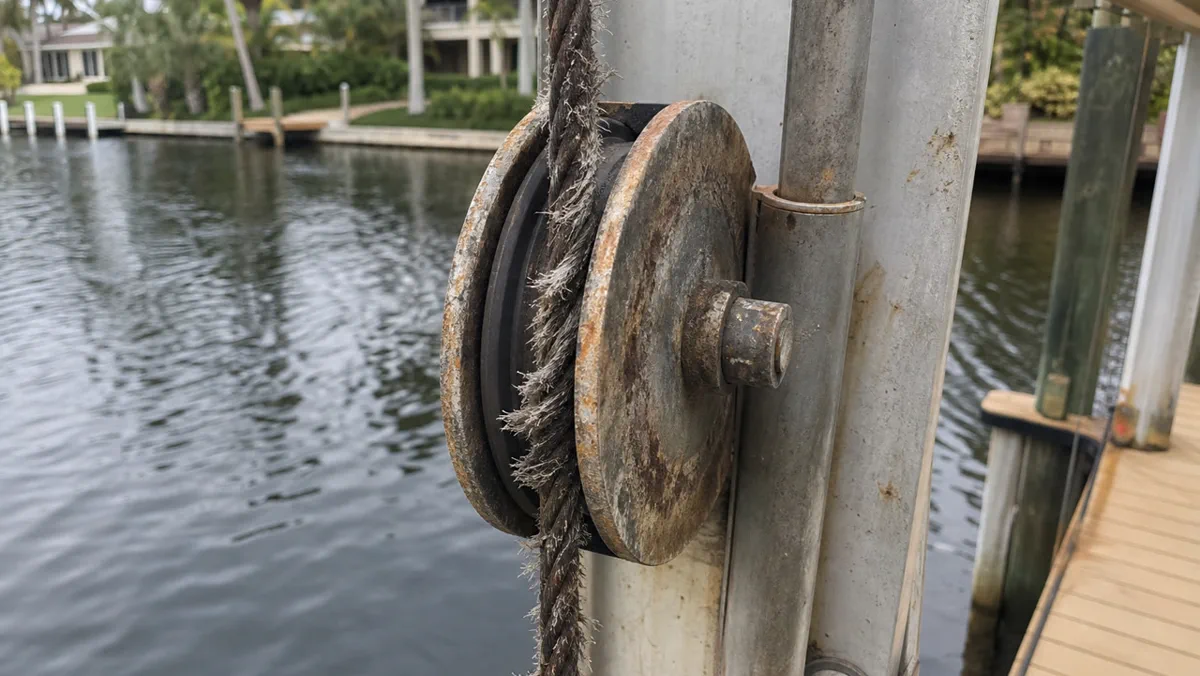
Frayed cable, uneven winding, pulley noise, and cradle tilt are signs to stop forcing the lift and ask about the next safe repair step.
Slow travel, humming, breaker trips, and inconsistent switch response can involve electrical or mechanical load questions.
Shifted bunks, loose hardware, and uneven boat support can point to a cradle or alignment issue that needs repair attention.
After heavy weather or months away, a lift may need cable, hardware, motor, and access conditions reviewed before regular use.
After you reach out
You can start with a call or the short form. The follow-up can ask for any extra information needed, explain whether the symptom sounds like a cable, motor, cradle, bunk, switch, or access issue, and help decide whether an on-site review is needed.
Repair cost and scope factors
Boat lift repair cost and scope depend on the symptom, lift capacity, boat position, cable and pulley condition, cradle alignment, motor or switch behavior, corrosion, access, parts, and whether electrical or dock-side review is needed before safe work can begin.
Naples-area waterfront homes also add salt exposure, summer storms, canal access, gated communities, seasonal occupancy, and older dock layouts. A Marco Island canal home can have different access and corrosion questions than a Pelican Bay managed property or an Estero river-access home.
If helpful, the service-area pages explain local access patterns and waterfront conditions around nearby Naples-area communities.
Questions homeowners ask
Visible cable fraying, uneven winding, or a cradle that does not rise evenly should be treated seriously. Stop forcing the lift and call or request a callback so the next safe step can be discussed.
No. Share your city or neighborhood, whether the boat is currently on the lift, and what you noticed first, such as slow movement, uneven lifting, motor noise, cable wear, or bunk movement. The follow-up can ask for anything else needed.
Some simple issues may have a rough pricing discussion by phone, but final repair scope can depend on lift type, boat load, dock access, corrosion, parts, and electrical or structural safety conditions found on site.
Do not keep cycling the lift if one corner is lagging, the cable is stacking strangely, or the cradle looks out of square. Storm surge, wind load, and debris can expose several issues at once, so the safest next step is to call or request a callback before the lift is used again.
Naples waterfront lifts sit in a salt-air environment that can accelerate corrosion on cables, fasteners, motors, switches, and hardware. A symptom that looks minor from the dock can be part of a broader wear pattern, especially on seasonal homes where the lift sits unused for long periods.
Next step
If your boat lift is noisy, uneven, stuck, slow, corroded, storm-shifted, or no longer feels dependable, you can reach out now. You do not need to inspect every part or know the exact repair before calling.
Call Naples Boat Lift Repair or send the short form, and a follow-up can help clarify whether the issue sounds like cable, pulley, motor, cradle, bunk, switch, access, or storm-related repair work.